The Sussexes are unlikely to join the royal family at Sandringham for Christmas, with a friend describing a reunion as...
Read More
International-News
US-Taiwan trade agreement: tariff cuts and Beijing’s anger
Washington and Taipei sign a deal on tariffs and semiconductors, triggering a strong reaction from China
The US Department of Commerce has announced the signing of a US-Taiwan trade agreement that reduces tariffs on Taiwanese products from 20% to 15%, aligning them with those already applied to goods from Japan and Europe. The deal was reached with the government in Taipei and represents a significant step in the Trump administration’s trade strategy.
Under the US-Taiwan trade agreement, Taiwanese semiconductor companies have committed to investing at least $250 billion in the United States to expand domestic manufacturing capacity. An additional $250 billion will be allocated to strengthening the semiconductor ecosystem and supply chain within the US. According to the Department of Commerce, the agreement is expected to drive a substantial relocation of strategic industrial activities.
The US-Taiwan trade agreement has triggered a sharp response from China. Beijing said it “firmly and consistently opposes” the deal between the United States and Taiwan, describing it as contrary to the one-China principle. The statement was delivered by Chinese Foreign Ministry spokesperson Guo Jiakun, who reiterated Beijing’s opposition to any agreements between countries maintaining diplomatic relations with China and what it calls the Chinese region of Taiwan.
The agreement must still be approved by Taiwan’s parliament, which is controlled by the opposition. In addition to the investment commitments, it includes credit guarantees worth another $250 billion aimed at facilitating further Taiwanese corporate investments in the United States. US officials argue that the US-Taiwan trade agreement will help secure supply chains in a sector considered critical to economic and national security.
Taiwanese Prime Minister Cho Jung-tai welcomed the deal, saying the progress achieved so far reflects a carefully planned strategy. Economy Minister Kung Ming-hsin added that Taiwan will continue to be the world’s leading producer of semiconductors for artificial intelligence applications. Under the agreement, 85% of production is expected to remain in Taiwan and 15% in the US by 2030, shifting to an 80-20 split by 2036.
Domestic criticism has also emerged. Kuomintang leader Cheng Li-wun warned that the US-Taiwan trade agreement could weaken Taiwan’s economy, arguing that it risks accelerating the outflow of industrial capacity toward the United States.
THE LATEST NEWS

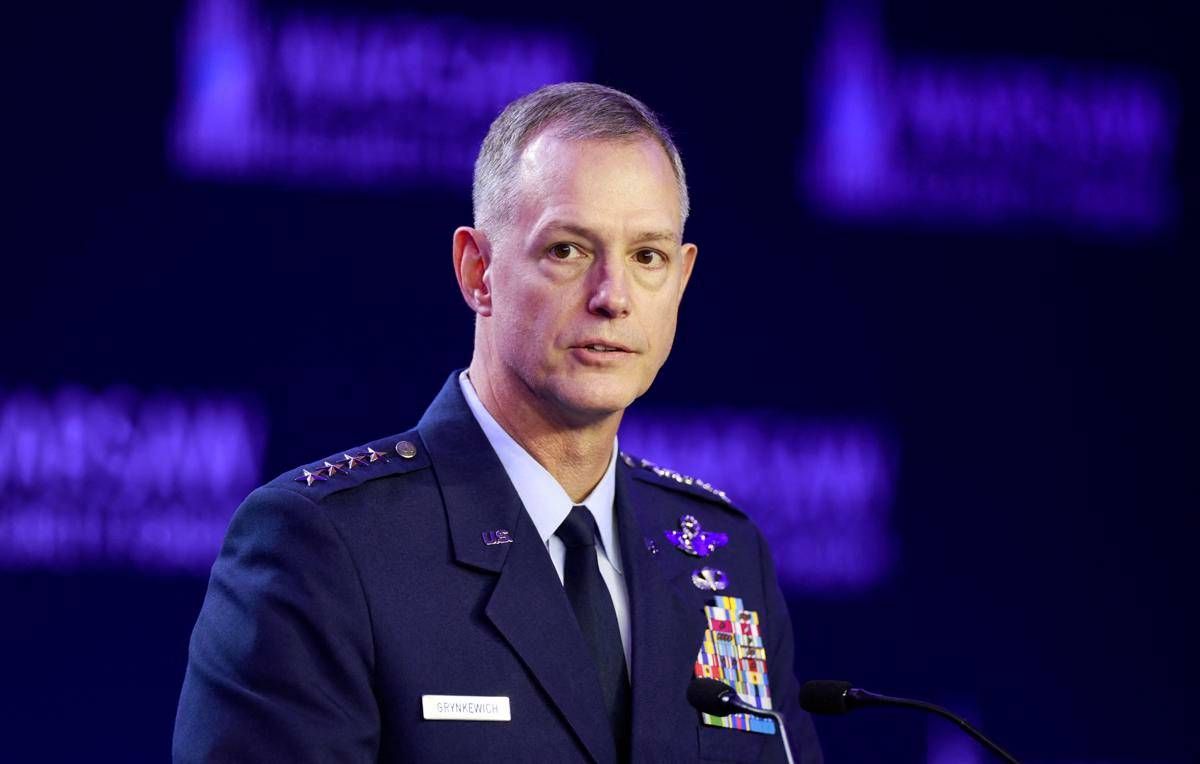
NATO Will ‘Destroy’ Any Force That Attacks the Alliance, Commander Warns
12 October 2026
In a stark address in Warsaw, NATO's top military commander coupled a forceful deterrence message to potential adversaries with an...
Read More
European Intelligence Warns of Russian Threats Against Defense Executives
11 October 2026
Financial Times report cites officials from five intelligence agencies as concerns grow over Moscow's expanding hybrid warfare campaign linked to...
Read More

White House TV Pool Boycott Triggers DOJ Antitrust Investigation
11 October 2026
Five of America's biggest television networks now face federal scrutiny after collectively refusing to cover President Donald Trump ahead of...
Read More
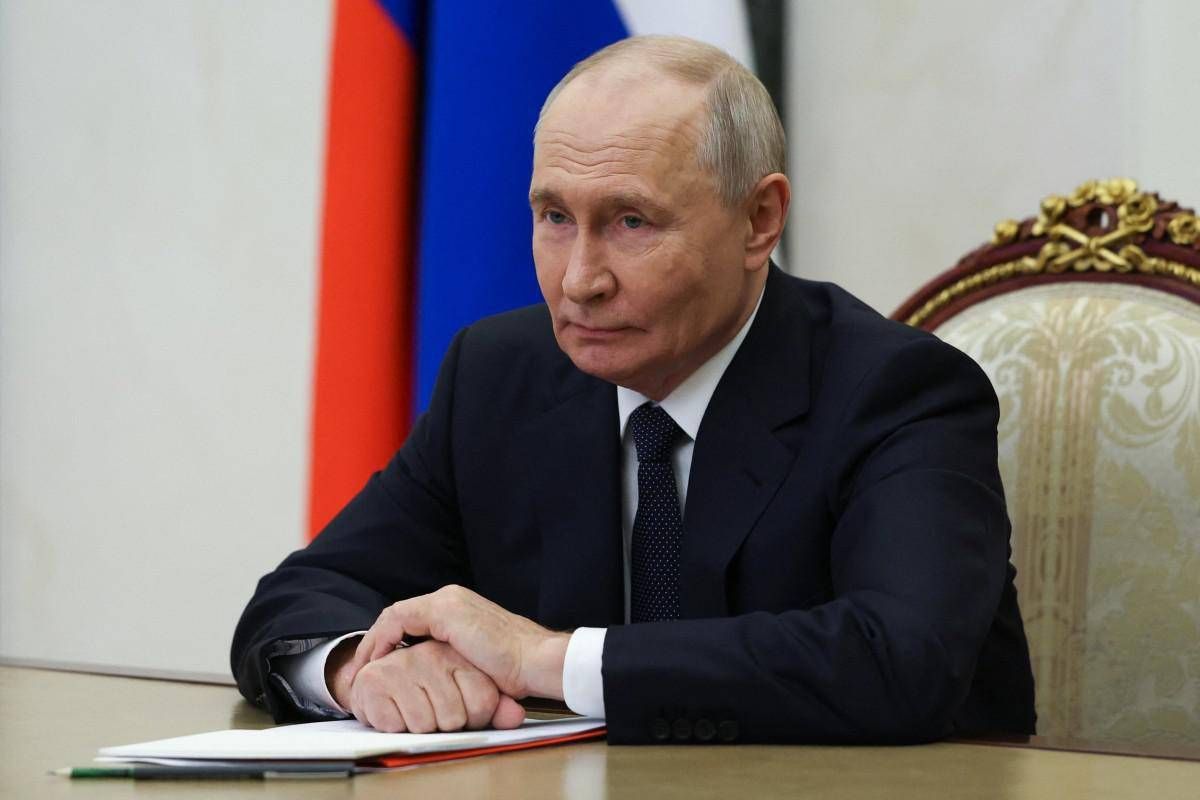
Putin’s Return Flight Disrupted by Drone Attack That Closed Moscow Airports
10 October 2026
Flight-tracking data showed Russian government aircraft circling over the capital and diverting to St. Petersburg as airport operations were suspended...
Read More
Christa Pike Returns to Prison After Surviving Execution Attempt
10 October 2026
Christa Pike returns to prison after surviving a lethal injection attempt, leaving Tennessee officials facing unprecedented uncertainty over whether her...
Read More

(Photo: © AndKronos)