The White House is giving artificial intelligence a permanent seat at the center of government just as one of OpenAI’s...
Read More
International-News
Iran nuclear talks: China, Russia and Tehran call for dialogue and end to sanctions, Trump does not yield
The three countries oppose ‘illegal unilateral sanctions’ and threats of use of force as diplomacy takes centre stage in Beijing talks on Iran’s nuclear programme. Trump argues that only two paths remain: a new agreement or the military route
On the day of talks in Beijing on the Iranian nuclear dossier, China, Russia and Iran reaffirmed the need to resolve the issue through diplomacy, avoiding sanctions, pressure or threats to use force. In a joint communiqué released after the meetings, the three countries stressed the importance of respecting the Nuclear Non-Proliferation Treaty and working to resolve the root causes of the crisis.
The talks, attended by the Chinese, Russian and Iranian deputy foreign ministers Ma Zhaoxu, Sergei Ryabkov and Kazem Gharibabadi, ended with an appeal to avoid actions that could lead to escalation, thus fostering a favourable environment for diplomatic dialogue. China, now increasingly determined to strengthen its global influence, has been working to position itself as an alternative to the US, especially in the context of an increasingly isolated ‘America First’.
Meanwhile, Iran, which has always declared that its nuclear programme is for peaceful purposes, has intensified uranium enrichment. International diplomacy, including European diplomacy, continues to be active, with China seeking to consolidate its role as mediator, not only to defend its economic and geopolitical interests, but also to strengthen its image as a responsible global power.
This scenario is also in the context of the growing alliances between Iran, China and Russia, which recently conducted joint naval exercises in the Gulf of Oman, marking the strengthening of cooperation between the three countries. In addition, Russia used Iranian drones in the conflict in Ukraine, further evidence of the increasingly close ties between the two countries.
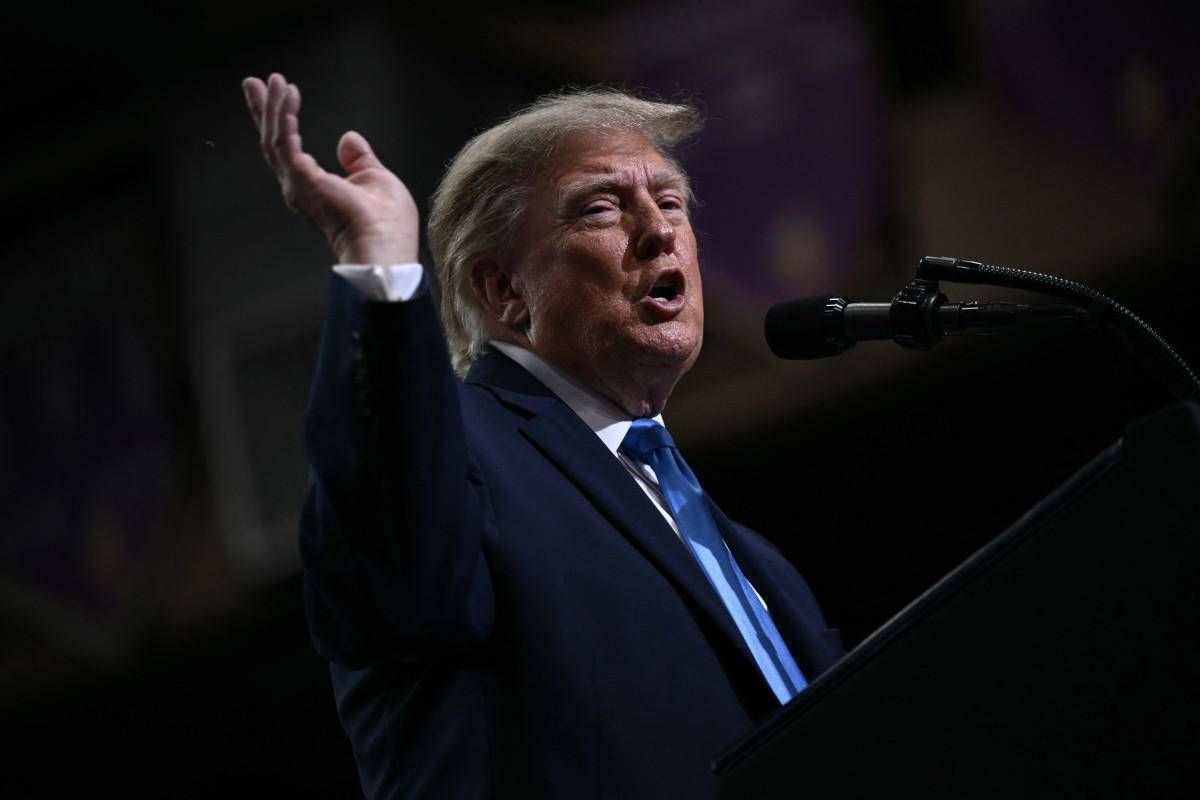
Meanwhile, Donald Trump reiterated his stance, saying that when faced with Iran, there are only two options: negotiate a new agreement or resort to force. In a letter to Ali Khamenei, Iran’s supreme leader, Trump emphasised that diplomacy would be ‘much better’ for Iran, but if Tehran was unwilling to negotiate, ‘we have to do something’, threatening the use of force.
Khamenei, however, dismissed the threats, denouncing US ‘bullying’ and reiterating Iran’s strategic alignment with Russia and China. For Iran, the talks in China represent a symbolic opportunity to continue to demonstrate its alignment with these countries and to advance the message of diplomatic engagement.
In 2018, Trump decided to withdraw from the Iran nuclear deal (Jcpoa), signed three years earlier during the Obama administration, and reinstated sanctions against Iran. Since then, Tehran has started to reduce its commitments under the agreement, including uranium enrichment.
China, which has always supported the nuclear deal and criticised the US withdrawal, continues to oppose US sanctions and ‘maximum pressure’. However, the situation remains uncertain, with the ‘snapback’ mechanism under the Jcpoa likely to reinstate the UN sanctions by October, as required by the treaty. The British deputy ambassador to the UN has stated that the international community will take ‘all necessary diplomatic measures’ to prevent Iran from obtaining nuclear weapons, including the use of snapback.
Against this backdrop, Beijing, Moscow and Tehran continue to insist on ‘respectful dialogue’, opposing Western-imposed solutions, while Iran continues to pursue a foreign policy that sees it allied with China and Russia in an increasingly polarised global context.
THE LATEST NEWS
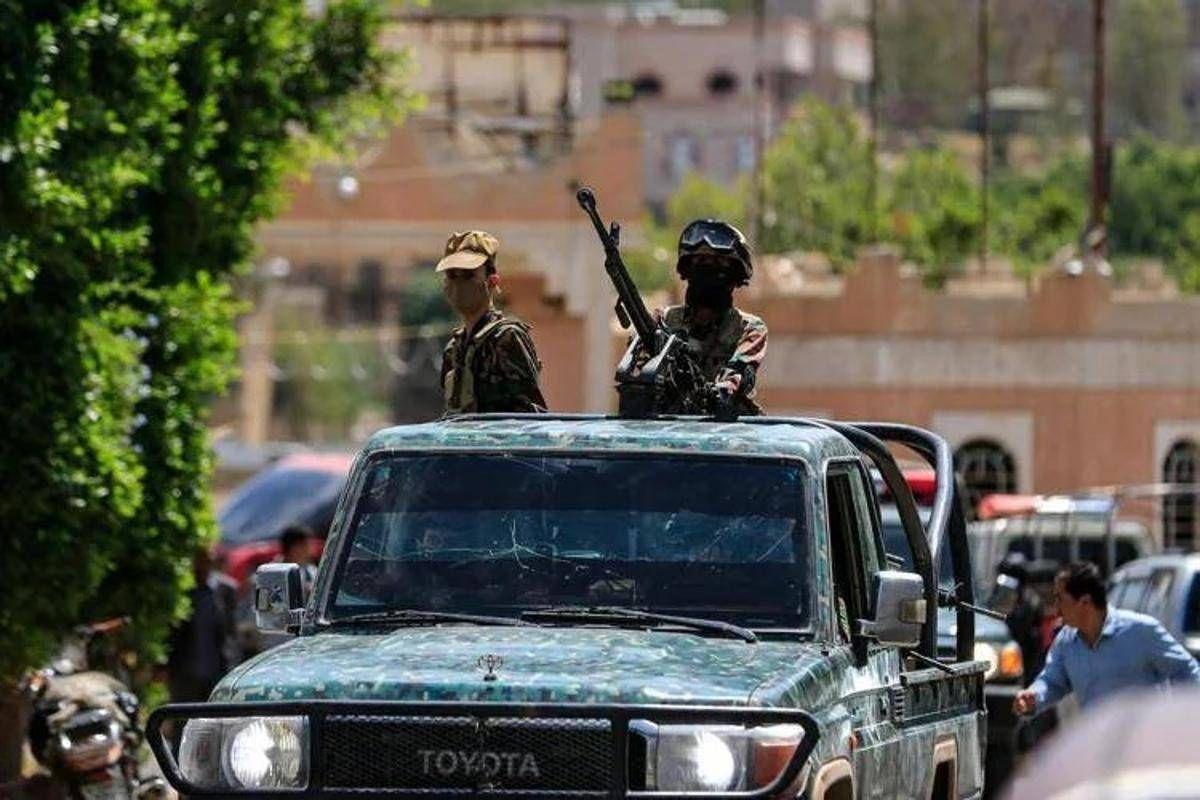
Houthis Claim Aramco Attacks in Riyadh and Khurais as Damage Remains Unverified
4 October 2026
The Iran-aligned group says missile and drone strikes triggered major fires at Saudi energy facilities, but Saudi authorities have yet...
Read More
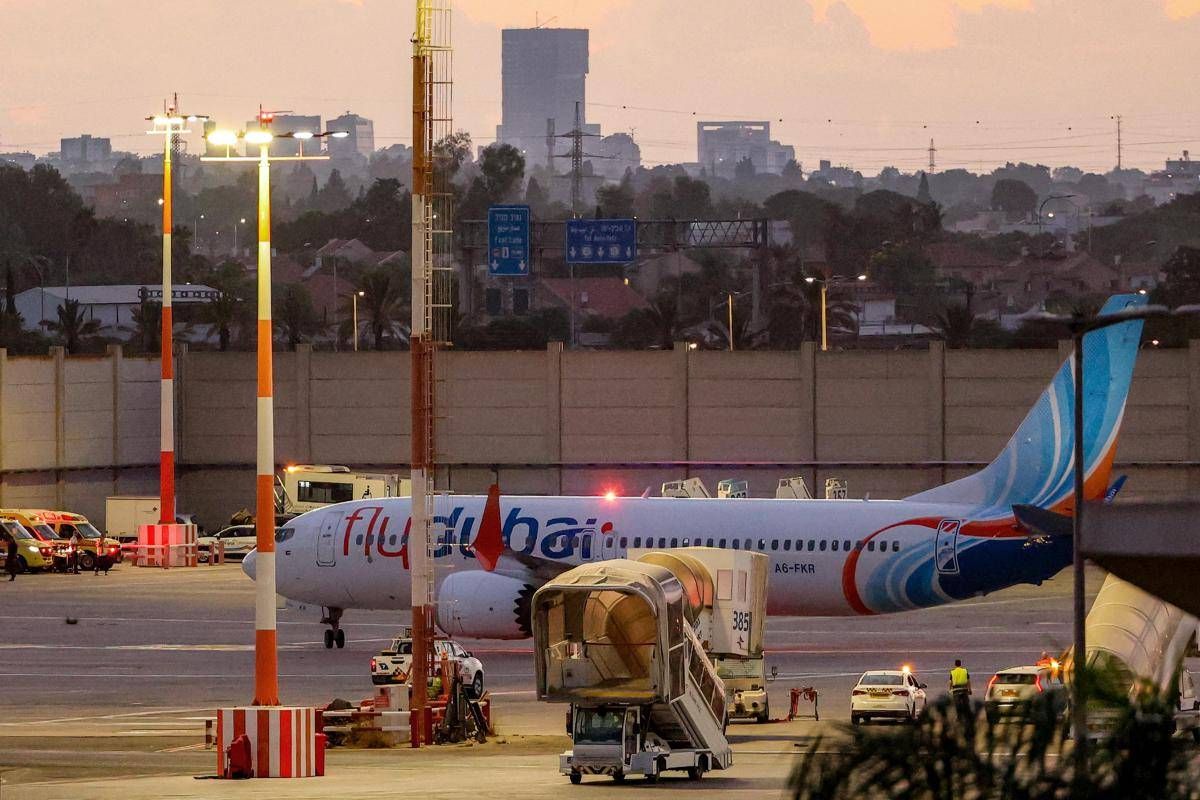
FlyDubai Copilot Mapped Out Ben Gurion Airport Crash, Reports Say
4 October 2026
New details from ongoing interrogations in the United Arab Emirates suggest the alleged plot had been in preparation for months...
Read More
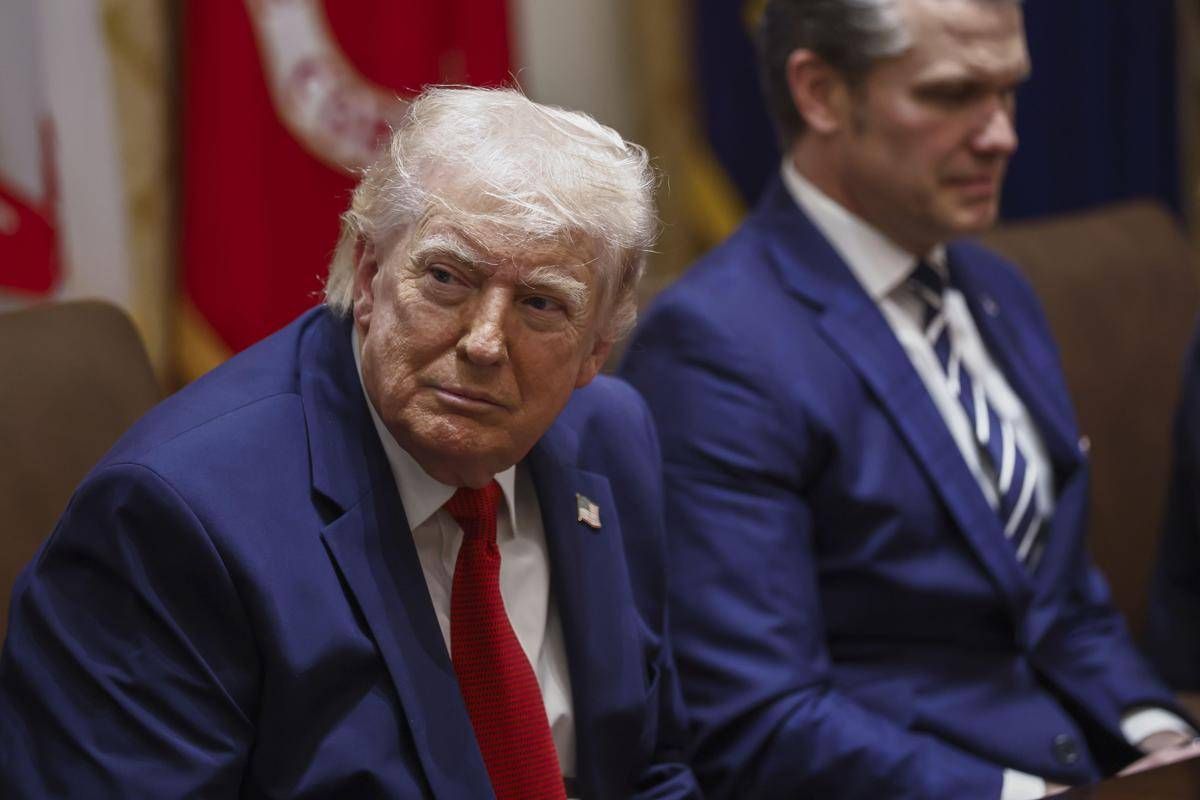
Hormuz Strait Blockade Holds as Russia Offers to Mediate US-Iran War
4 October 2026
Washington says it maintains full control over one of the world's most strategic maritime corridors while Moscow positions itself as...
Read More
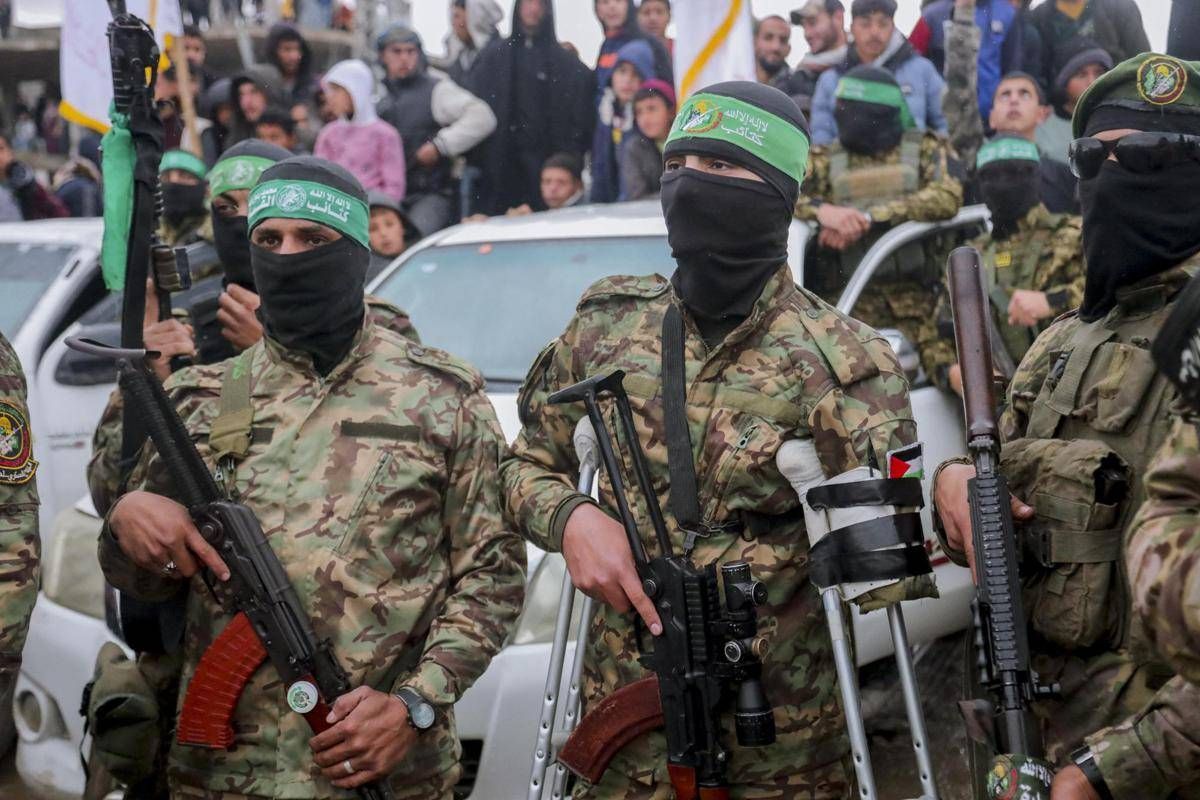
Gershon Baskin Says Hamas Weakened Three Years After Oct. 7
3 October 2026
Speaking to the Italian news agency Adnkronos, the veteran Israeli mediator says Hamas has lost much of its strength in...
Read More
France Sees a Covid Uptick, but Experts Say Europe Is Not Facing a New Crisis
3 October 2026
French surveillance data show a rise in infections from very low levels, while a fragmented mix of SARS-CoV-2 variants continues...
Read More
(Photo: © AndKronos)