International-News
Iran War Becomes a Political Liability for Trump After Midterm Defeat
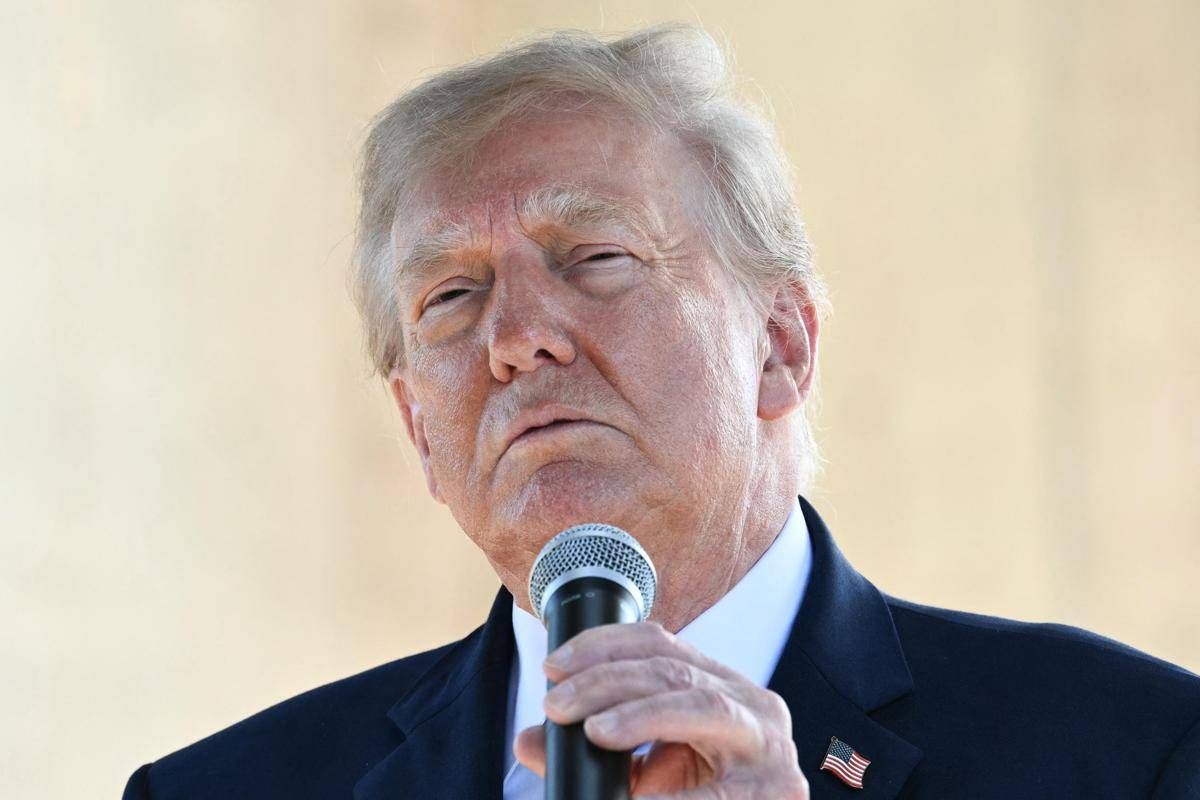
The president acknowledges the conflict hurt Republicans but refuses to change course. Steve Bannon is demanding an independent investigation, while Tehran warns that a Democratic shift in Congress will not alter U.S. policy
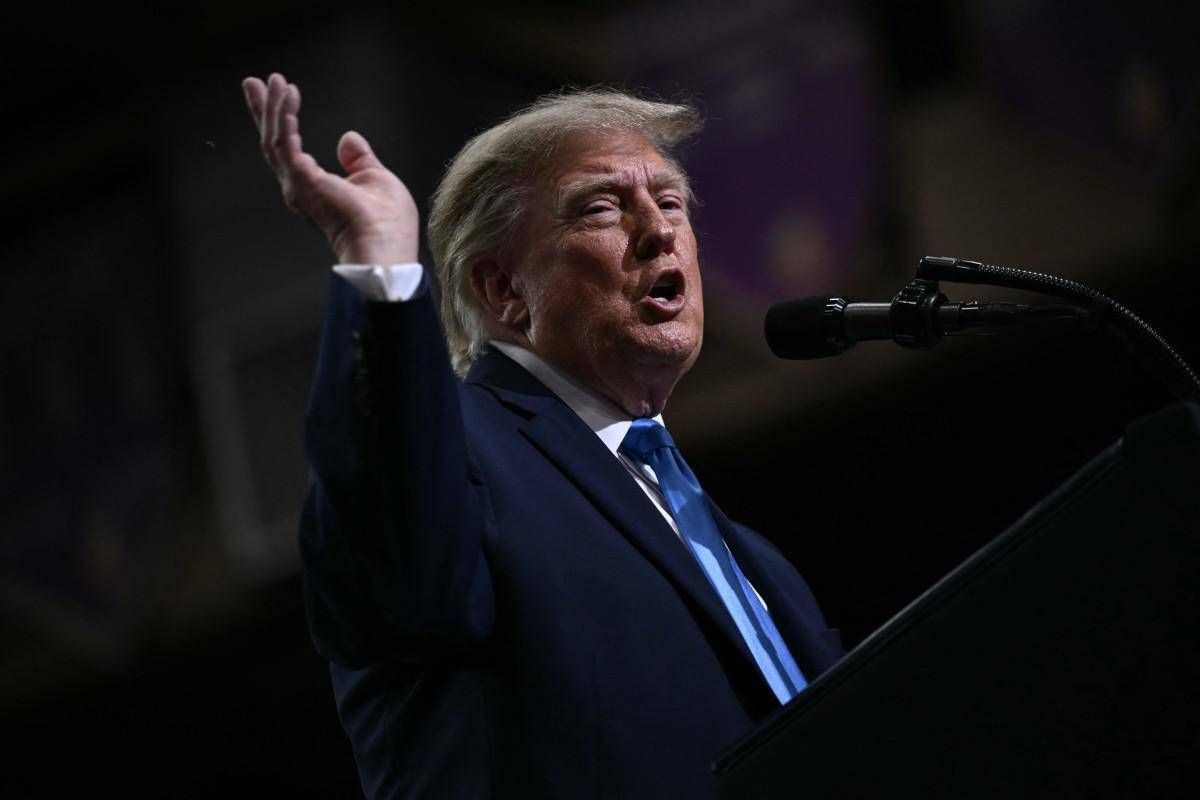
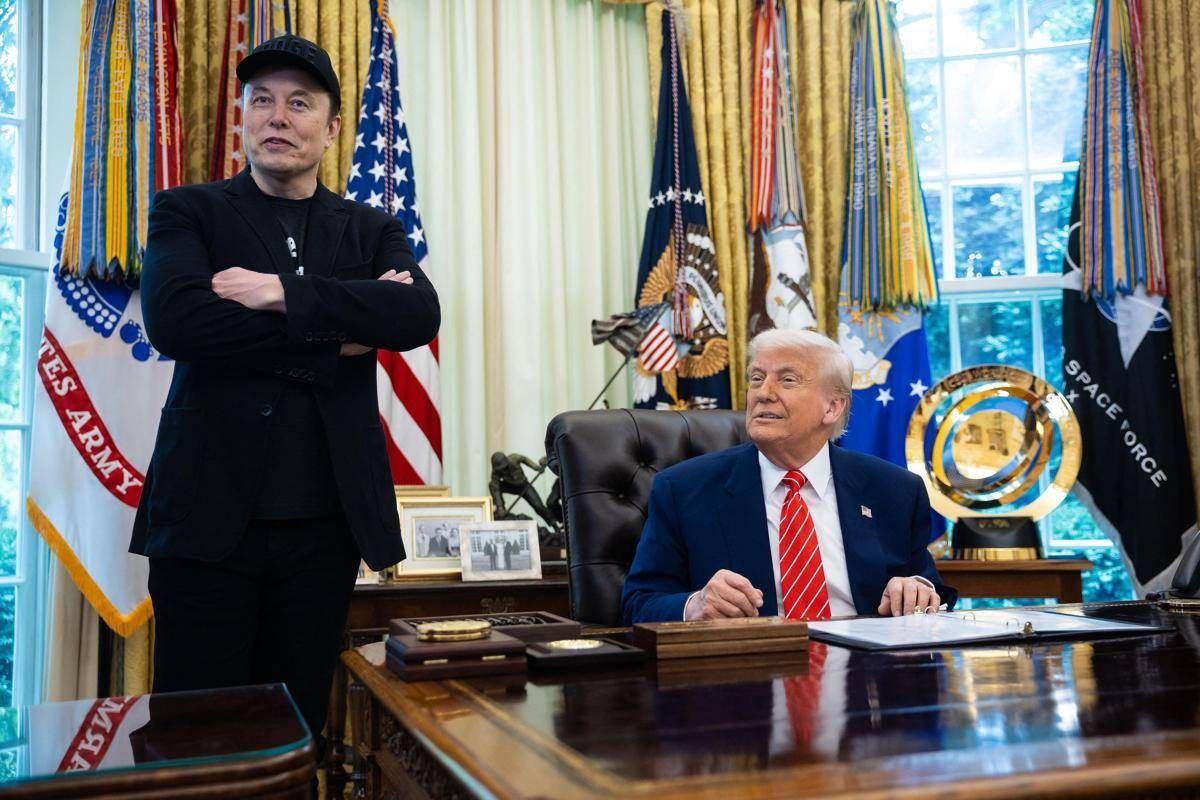
Donald Trump is facing a growing political reckoning over the war with Iran, but the Republican defeat in the midterm elections has done little to change his position on the conflict. The president has conceded that the fighting contributed to his party’s losses, while insisting that the decision to attack Iran was necessary and that he would make it again. Inside his own political movement, however, the demand for answers is becoming harder to ignore. Former Trump adviser Steve Bannon is now calling for an independent presidential commission to investigate how the United States entered the war and disclose its findings to the public.
The dispute reaches beyond the White House. Vice President JD Vance has described the conflict as a catastrophe for the Republican Party, while Bannon has argued that Americans — particularly younger voters who supported Trump on a promise to avoid new wars — have lost confidence in the explanations offered for the military campaign. In Tehran, meanwhile, the election result is being presented as a political blow to Trump, not as evidence that Washington is about to change its approach to Iran.
Bannon made his case on his podcast, Bannon’s WarRoom, calling for a commission made up of American citizens and institutions to examine the events surrounding the war. He said the inquiry should investigate the Oct. 7, 2023, attacks and the subsequent decisions that drew the United States into the conflict. If Israel chose not to conduct an investigation for political reasons, he said, that was a decision for Israel to make. But the United States had been pulled into a war with significant consequences for American politics, he argued, and the public deserved an independent account of what happened.
His proposed inquiry would also examine how, years after Oct. 7, the United States became involved in Operation Midnight Hammer and what Bannon described as a second phase: regime change. National defense, security and the administration’s understanding of the conflict should be scrutinized by independent third parties, he said, adding that the process should begin immediately. His remarks, reported by The Washington Post, connect the war directly to the loss of support among voters who had backed Trump in 2024 expecting him to keep the United States out of another major conflict.
Trump has acknowledged the electoral damage, including the effect of higher gasoline prices. Speaking to reporters at the construction site of the White House ballroom, he said Vance’s assessment was largely correct and suggested that the short-term rise in fuel costs had probably contributed to the Republican defeat. But he rejected any suggestion that the military campaign had been a mistake. The United States could not allow Iran to obtain a nuclear weapon, he said, adding that the war had been worth the cost and that he would not have acted differently.
The conflict has inflicted damage across the region estimated at tens of billions of dollars and has had wider consequences for global energy costs. Analysts warn that further escalation could push energy prices higher, although Brent crude fell below $95 a barrel after the midterm vote. The administration is weighing several possible courses. Haggerty has argued for maintaining the current strategy of defensive strikes and a naval blockade. David Schenker, a former assistant secretary of state, has suggested striking the nuclear facility at Pickaxe Mountain before moving toward de-escalation and a deal that would restore freedom of navigation and ease sanctions. Schenker has cautioned that Tehran may see Trump as weakened and constrained by Congress, but that assumption could prove wrong.
Regional governments are watching for clues about the next phase. Israeli Prime Minister Benjamin Netanyahu has urged further military action, while Middle Eastern officials have reported signals from the Trump administration suggesting that operations could intensify after the elections. The possibility of escalation therefore remains on the table even as the political costs of the war become more visible in Washington.
Iran’s response to the midterm results has been notably cautious beneath its public claims of victory. Al Jazeera’s analysis of Iranian media coverage describes two separate conclusions in Tehran: the war has imposed a political cost on Trump, but the change in congressional power does not guarantee a shift in U.S. policy. Iran’s Supreme Leader, Mojtaba Khamenei, has dismissed the idea that changes in American political parties or concessions to Washington could alter what he describes as the hostility of the United States toward the Iranian people. Anyone who believes otherwise, he said, is under a “complete illusion.” His remarks came as Iran marked the anniversary of the 1979 seizure of the U.S. Embassy in Tehran, with official events and public demonstrations held for the National Day of Fighting Global Arrogance.
Iranian outlets have reflected the same combination of triumphalism and caution. Tasnim, an agency historically linked to the Islamic Revolutionary Guard Corps, framed the Republican setback as a victory for Iran, declaring in a headline that Trump had “lost to Iran” and suffered a major defeat in the Senate. Yet the agency warned against placing hopes in the Democrats, arguing that the two American parties do not differ fundamentally in their approach to Tehran and that Iranian policy should not depend on which party controls Congress or the White House. State broadcaster Irib used the phrase “regime change in America” to describe the shift in congressional power — a reference to the change in the congressional majority, not to a transformation of the U.S. system of government.
The semi-official Fars news agency focused on the erosion of Trump’s support in traditionally Republican strongholds. Its analysis, titled “The Fall of the Red Walls: Why Did Trump Lose Even in His Strongholds?”, argued that dissatisfaction had spread beyond the president’s usual opponents and reached voters who had helped return him to the White House. It pointed to the cost of living, economic anxieties and dissatisfaction with the administration’s handling of Iran, while warning against attributing the defeat to the war alone. The result, Fars argued, reflected the combined effect of domestic and foreign policy on voters.
That distinction captures the dilemma confronting Trump. The war has become a source of friction within his own political camp and a factor in the Republican defeat, but neither the president’s defense of the campaign nor Tehran’s skepticism suggests that the conflict is nearing a political resolution. For now, Trump is refusing to retreat, Bannon is demanding an accounting, and Iran is signaling that a change in congressional power will not be enough to change its calculations.
(Photo: © AndKronos)