
International-News
El Niño Could Become One of the Strongest on Record as Climate Funding Falls Short
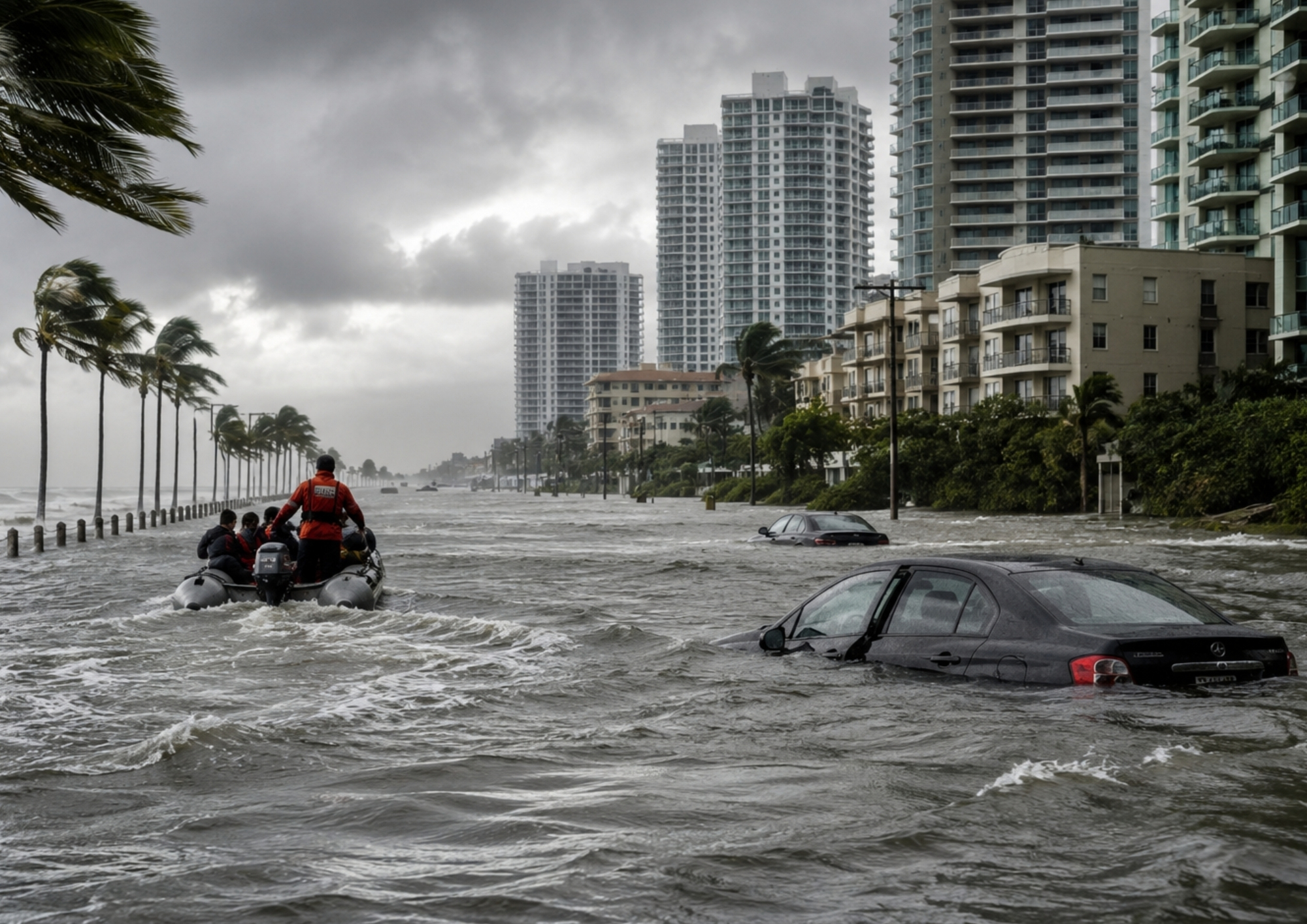
The phenomenon is expected to intensify through December, raising the risk of droughts and floods worldwide. Governments from Peru to Bolivia are declaring emergencies, while the countries most exposed to climate shocks remain short of the money needed to prepare
A potentially historic El Niño is approaching its expected peak as governments in several countries begin declaring emergencies, exposing a widening gap between the scale of the climate threat and the resources available to confront it. The United Nations estimates that developing countries need about $305 billion a year through 2035 to adapt to climate change. Current financial flows from wealthier nations to the Global South remain far below that level.
The warning is no longer confined to climate projections. In Peru, the government has declared a 60-day state of emergency across nearly three-quarters of the country’s districts. In Bolivia, drought has affected about 78,000 families and caused the loss of more than 75,000 head of livestock. On the Galápagos Islands, heavy rainfall has killed at least one person and forced thousands of families from their homes.
The expected scale of the phenomenon makes those emergencies particularly concerning. The U.S. National Oceanic and Atmospheric Administration puts the probability of El Niño developing at 81%, while the likelihood that it will persist into early spring 2027 stands at about 97%. The United Nations has warned that it could become one of the strongest episodes recorded since at least 1950, with an expected peak in December.
The World Meteorological Organization expects the warming of the central and eastern tropical Pacific to push sea-surface temperatures to record levels during the October-November-December 2026 period. The resulting changes in atmospheric circulation could bring above-average temperatures across much of the planet and disrupt rainfall patterns, increasing the risk of both prolonged drought and severe flooding. The effects would compound those of human-driven climate change, with consequences for economies, ecosystems and communities.
In Peru, the emergency decree issued by the administration of President Keiko Fujimori covers localities in all 25 administrative regions. It authorizes urgent measures by national, regional and local authorities because regional governments are considered unable to manage the potential crisis on their own. Officials have warned that warmer Pacific waters could trigger intense rainfall, river flooding and mud and debris flows.
Bolivia has already experienced substantial damage. President Rodrigo Paz declared a state of emergency to address droughts and floods associated with what he called the “super El Niño.” The measure allows the country to mobilize financial resources and deploy security units in areas at risk. Paz said his government had worked to limit the environmental impact, but warned that the expected consequences would require cooperation among all authorities.
The figures released by Bolivia’s Civil Protection Ministry this week underline the scale of the problem: approximately 78,000 families have been affected by drought, and more than 75,000 animals have been lost.
Water shortages are also persistent in New Zealand’s Northland region. Jason Donaghy, who oversees monitoring for the Northland Regional Council, said groundwater levels across much of the area were below normal or exceptionally low for this time of year. October rainfall reached just 32 millimeters, equivalent to 36% of the monthly average. Ferris, another source cited in the report, cautioned that the rain expected between Friday and Saturday was unlikely to provide meaningful relief to the region’s water deficit.
In the Philippines, Senator Francis Pangilinan has urged the government to prepare for a severe El Niño by imposing automatic price freezes in areas declared disaster zones. He has also called for stronger action against hoarding, profiteering and cartels, citing Republic Act 7581, known as the Price Act, which provides for price controls on essential goods.
The pressure on water supplies has prompted a response in Papua New Guinea, where the administration of the Gazelle district has allocated more than 1.2 million kina to address shortages linked to climate conditions associated with El Niño. District administrator Robert Numbaru said existing supplies often last only one to three days, making more stable and durable water infrastructure necessary.
The Galápagos Islands have faced a different kind of emergency. Heavy rainfall, believed to be associated with El Niño, began Friday afternoon and caused severe damage on Santa Cruz. At least one person died, while preliminary estimates from the local municipality put the number of affected families at about 2,000. Mayor Fanny Uribe said some residents had lost everything, with only the clothes they were wearing left. The archipelago has a population of approximately 28,500 people spread across four islands.


El Niño Could Become One of the Strongest on Record as Climate Funding Falls Short
The phenomenon is expected to intensify through December, raising the risk of droughts and floods worldwide. Governments from Peru to...

Meloni: «Dopo il voto Usa, per l’Italia non cambia nulla»
La premier commenta le elezioni di metà mandato americane: Washington resta un alleato fondamentale, qualunque sia la maggioranza al Congresso...

Zelensky Sees Chance for More U.S. Aid After Democratic Midterm Gains
The Ukrainian president says stronger congressional support could influence Vladimir Putin, as Kyiv and Moscow trade attacks on strategic targets...

Sciopero generale in Francia contro il caro vita, attesi 700mila in piazza
Proclamate 244 manifestazioni contro il caro vita. Trasporti, scuole, ospedali e servizi postali coinvolti dalla mobilitazione Fino a 700mila persone...

Iran War Becomes a Political Liability for Trump After Midterm Defeat
The president acknowledges the conflict hurt Republicans but refuses to change course. Steve Bannon is demanding an independent investigation, while...

Askatasuna, 16 misure cautelari per gli scontri del 31 gennaio a Torino
L’operazione è condotta dalla polizia e coordinata dalla procura. Previsti, tra gli altri provvedimenti, carcere, domiciliari e divieti di dimora...

Roma, 24enne muore in un incidente in Vespa sul Foro Italico
Lo schianto è avvenuto all’altezza del civico 430, in direzione San Giovanni. La Polizia Locale sta ricostruendo la dinamica Aveva...


Allarme bomba su un volo Dublino-Roma, atterraggio d’emergenza in Francia
L’Airbus A320 della Aer Lingus è stato dirottato verso una base militare a Evreux. L’ufficio del primo ministro francese segue...

Trump: «La guerra finisce quando voglio io». Vance lo mette sotto accusa
Il vicepresidente attribuisce al conflitto la responsabilità principale della disfatta elettorale e chiede di cambiare rotta su guerra, inflazione e...

Ukraine, U.S. and Russia Prepare New Trilateral Talks Within a Week
President Volodymyr Zelensky says Kyiv has delivered its proposals to Washington and is ready to take the steps needed to...

Iran minaccia l’Europa: «Missili anche contro Italia e Germania»
Teheran avverte Washington: se gli Stati Uniti useranno le basi militari europee per attaccare il Paese, anche gli Stati che...

Egitto, arrestato l’ex marito di Nessy Guerra: «Un passo avanti»
La 27enne sanremese lo ha annunciato in un video sui social. L’uomo resterà in stato di fermo fino alla conclusione...

Accordo Electrolux, dimezzati gli esuberi: 902 uscite volontarie
Salvi gli stabilimenti italiani, oltre 100 milioni di investimenti e continuità produttiva. A Cerreto d’Esi scongiurata la chiusura Da 1.719...

Musetti domina Zverev: 7-6, 6-2 contro il nuovo numero 1
Dopo un primo set combattuto, il toscano prende il controllo della partita e chiude in un’ora e 42 minuti Alexander...
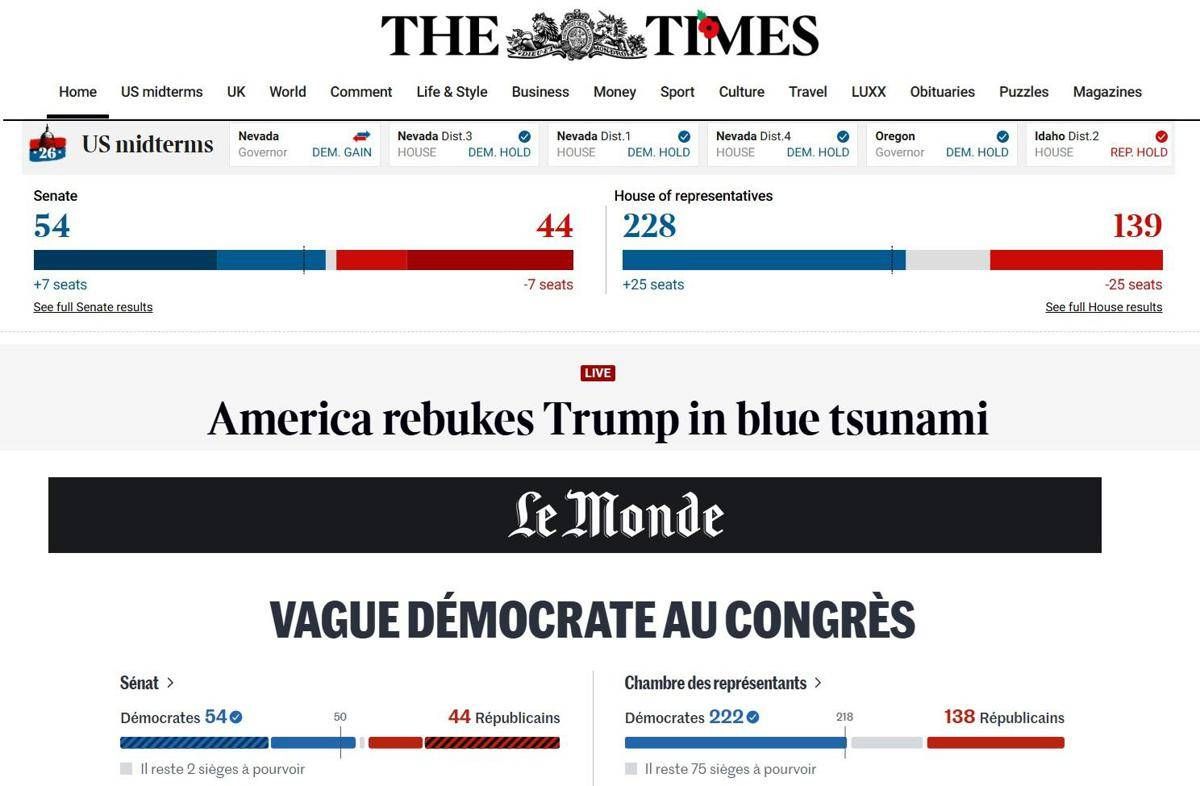
Foreign Newspapers Cast Trump’s Midterm Defeat as a Rebuke
From The Guardian to Le Monde, international coverage focuses on the Democrats’ takeover of Congress, the cost of living and...

Addio a Tinto Brass, il regista che fece dell’eros il suo cinema
Aveva 93 anni. Dagli esordi anticonformisti a «La chiave», una carriera costruita sfidando censure, convenzioni e tabù Tinto Brass è...
You must be logged in to post a comment Login